Cinematic Walkthroughs by Real Estate Videography Luminis Media
A cinematic walkthrough is not a tour, it is a persuasive narrative built from light, movement, and timing. When you watch a strong real estate film, you feel the flow of the home, not just the facts. Doorways become transitions. Windows become pacing beats. Scale becomes a character. This is the lens through which we approach every project at Luminis Media, where real estate videography has to serve a business outcome: more showings, stronger offers, and faster sales.
Agents often tell us the same story. Their listing is well photographed, the brochure looks sharp, yet online engagement feels passive. Buyers swipe, skim, and bounce. The turning point is usually motion. Once a property is presented with a cohesive visual journey, watch time spikes, qualified inquiries rise, and private tours become more targeted. At Luminis Media, our real estate photography and videography teams work side by side so that stills and motion share one visual language. That alignment keeps a listing coherent on the MLS, on portals, and across social channels.
What makes a walkthrough cinematic
Cinematic is not just shallow depth of field or a swooping drone shot. It is a deliberate sequence that respects human attention. The camera moves with intent, light feels alive, and the edit breathes. The result invites buyers to imagine crossing the threshold for the first time. For a three bedroom modern in a downtown corridor, we might open tightly on a key detail, a custom steel handle or a poured concrete stair, to set a tone of craft. For a family home on a cul-de-sac, we are more likely to start wide, letting the viewer understand approach and frontage before moving indoors. Each choice is motivated by the buyer profile, not by a default style.
The most overlooked ingredient is rhythm. A kitchen island deserves a slower glide than a corridor, a balcony reveal needs a beat before the view. If the pacing hurries, viewers miss the sense of space. If it drags, attention slips. Our editors measure cuts by the cadence of footfall and the natural pause when a buyer turns their head. It is a physical experience translated to screen.
Pre-production that respects the listing strategy
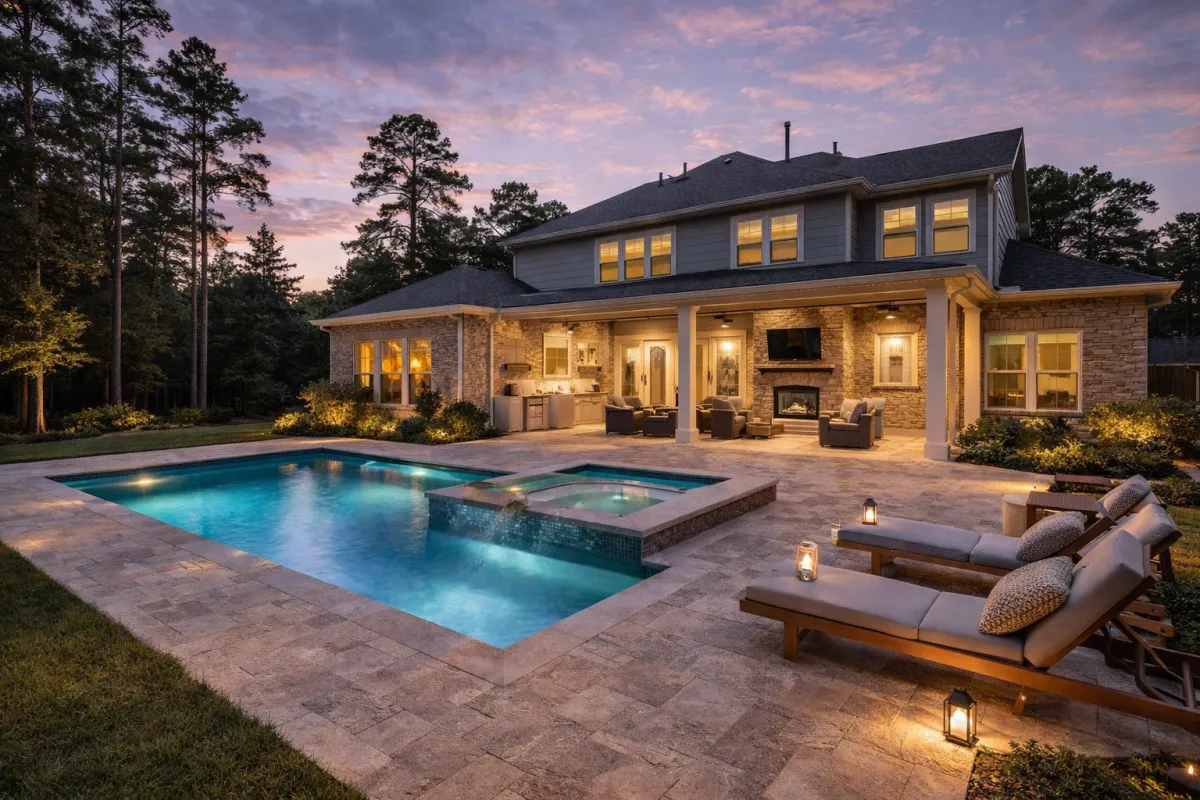
Before a single shot, we ask for the narrative you plan to emphasize in your copy and showings. If the selling point is a whisper-quiet interior in a lively area, we avoid traffic-heavy exteriors and prioritize intimate details with soft ambiences. If the home is all about an expansive backyard and pool, we coordinate golden-hour blocks, sometimes two consecutive evenings to guarantee light and reflections. This is where the experience of a Luminis Media real estate photographer helps, because the same pre-visualization that drives composed stills also clarifies the path of the property photography camera on shoot day.
We build a shot map, not a rigid storyboard. The map sequences entrances, axis changes, and anchor views, and it flags transitions that must be captured in both directions. We also mark staging micro-moves. That bar stool that looks great for a photo might snag the gimbal operator on a move to the pantry, so it gets pulled mid-shoot, then reset for the stills.
Here is a practical checklist we share with agents and sellers one to two days before the crew arrives:
- Confirm cleaning, decluttering, and window washing are complete, including mirrors and shower glass.
- Stage lighting: replace burnt bulbs, match color temperature, and test all dimmers for flicker on camera.
- Schedule access to all areas, from garage to rooftop, and secure pets or arrange off-site care.
- Align timing with the sun path for key rooms, and prepare for a second-day pickup if weather shifts.
- Gather disclosure-friendly highlights: brand names for appliances, renovation years, and HOA amenities.
When this preparation is solid, a four-hour shoot yields material that edits cleanly. When it is not, time bleeds into fixes, momentum fades, and the final film carries that friction. Our job is to anticipate those weak points early so that real estate videography by Luminis Media feels effortless to the agent and compelling to the buyer.
Gear choices that serve movement, not vanity
Buyers rarely care what camera we bring. They do care how the camera moves. We typically pair a full-frame cinema camera with stabilized glass on a gimbal for the bulk of the walkthrough. That combination keeps verticals honest and micro-jitters in check without softening edges. For very tight spaces, a carefully managed ultra-wide lens solves access, but we avoid the carnival mirror effect by keeping the lens close to neutral tilt and moving more slowly. When a space risks feeling cramped, the lens should step back and let the edit imply shape through a series of cuts rather than a single stretched view.
Sliders and dollies still have a role, particularly for lifestyle inserts or when we want dead-straight parallax through foreground elements like pendant lights. That said, most properties benefit from the agility of a gimbal operator who knows how to step, pivot, and float across thresholds without calling attention to technique. When a property is large, such as a hillside estate with a long approach, we will add a drone segment, but it has to earn its place with context. A drone pass that simply rises then spins tells a buyer nothing. A pass that tracks the driveway, reveals the facade, then dips to show the yard depth teaches scale.
Audio is the silent partner. Even without voiceover, we record room tone and sometimes add incidental foley, a door latch, a faucet run, a terrace breeze, to make the film feel less clinical. Music should support the brand of the property and the agent. We keep cues modern, never intrusive, and we match edits to musical phrasing sparingly so that cuts feel natural rather than dictated by the track.
Lighting, color, and the discipline of restraint
Interior lighting is a tightrope. If you blast a room with panels, the scene feels overproduced and dishonest. If you rely only on ambient light, dynamic range will betray you at a window. Our approach is additive and minimal. We work with practicals first, then supplement with soft sources bounced off ceilings or flags that shape contrast. When we do a day-for-night setup, perhaps to show a media room, we are transparent with the agent so that the film does not mislead.
Color management is just as critical. We white-balance for accuracy, but grading leans editorial, not cinematic for its own sake. If the home features warm oak floors and matte black fixtures, we protect those tones while keeping whites crisp. On overcast days, we might cool exteriors slightly, which helps interiors feel more inviting by contrast. The objective is consistency across deliverables. Luminis Media real estate photos should match the real estate videography from luminis.media closely enough that buyers feel they are inside the same property, not two different interpretations.
Sequencing a story that sells
The sequence of rooms matters. We rarely move linearly. The most persuasive path is often emotional logic rather than floor plan logic. Start at the threshold, yes, but then cut to the heart of the value. For a loft with a 16 foot window wall, we reach the living volume early, then circle back to the kitchen and bedrooms. For a suburban colonial, we may introduce the staircase with a brief tilt, then transition into the family room during a late afternoon glow before visiting secondary spaces.
When properties have upgrades that cannot be felt in video, like improved insulation or new ductwork, we address them through tasteful overlays. It is tempting to flood the frame with icons and text. We resist. Two or three lower-thirds used strategically reinforce facts without interrupting flow. If disclosures are extensive, we complement the film with a separate feature reel or still slides. In any case, the primary walkthrough remains clean and aspirational.
Occupied homes and the art of working around life
Vacant homes are canvases. Occupied homes are collaborations. Sellers have rhythms, kids nap, dogs bark. We have learned to build shoots in rings, starting luminis.media real estate photographer with high-priority areas, then stepping out when the house needs to breathe. Communication keeps stress down. We share a room order and time estimates upfront so the family can plan. Respecting that schedule pays off in goodwill, and it shows on screen. An occupied home that feels calm and cared for outperforms a glossy but impersonal empty space more often than agents expect.
When occupied spaces are over-personalized, we do light neutralization rather than full re-stage. A blanket swap, a plant reposition, a reduction in countertop items, these are quick wins. Our Luminis Media property photography team often travels with a tote of neutral props for this purpose, and the video crew coordinates closely to ensure continuity. It is a small detail, but when an espresso cup appears in a still then vanishes in the film, viewers notice subconsciously.
Condo towers, penthouses, and elevator choreography
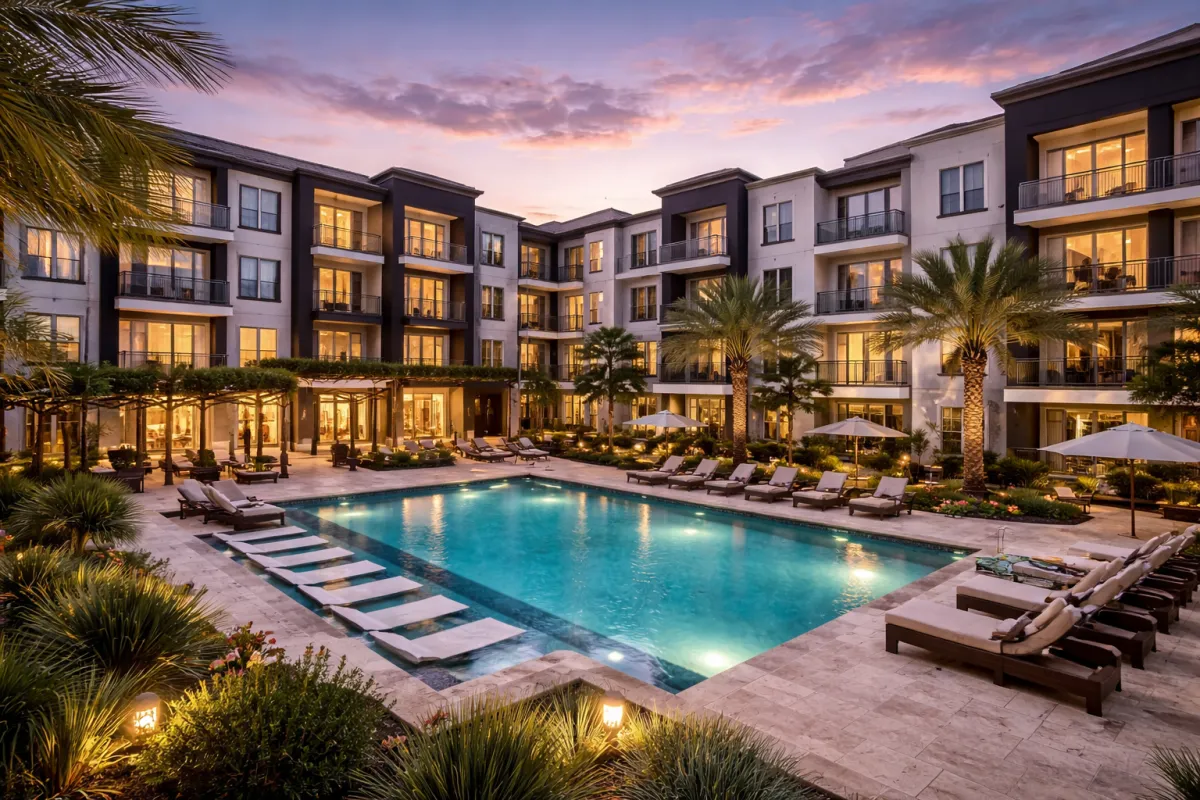
High-rise shoots require a different rhythm. Elevators, doormen, and HOA rules set the pace. We clear building protocols days in advance, carry certificates of insurance, and plan load-ins that do not disrupt residents. Penthouse access often includes roof or amenity spaces, which need daylight coordination. Nothing sours a film faster than an empty pool reveal at noon with harsh top-light. For these projects, we split the shoot, capture interiors in late morning, then return at dusk for amenities and terrace scenes.
Vertical living also calls for context. A penthouse without a nod to the neighborhood feels isolated. We capture quick b-roll of the block face, the nearest park, and the street life tone. These inserts are five second assets that editors tuck between interior beats. They do not dominate, yet they signal lifestyle in a way that a list of amenities cannot. For agents marketing luxury, this style of real estate videography by Luminis Media helps justify price points with emotional cues rather than mere superlatives.
Single-story ranches, townhomes, and the horizontal flow
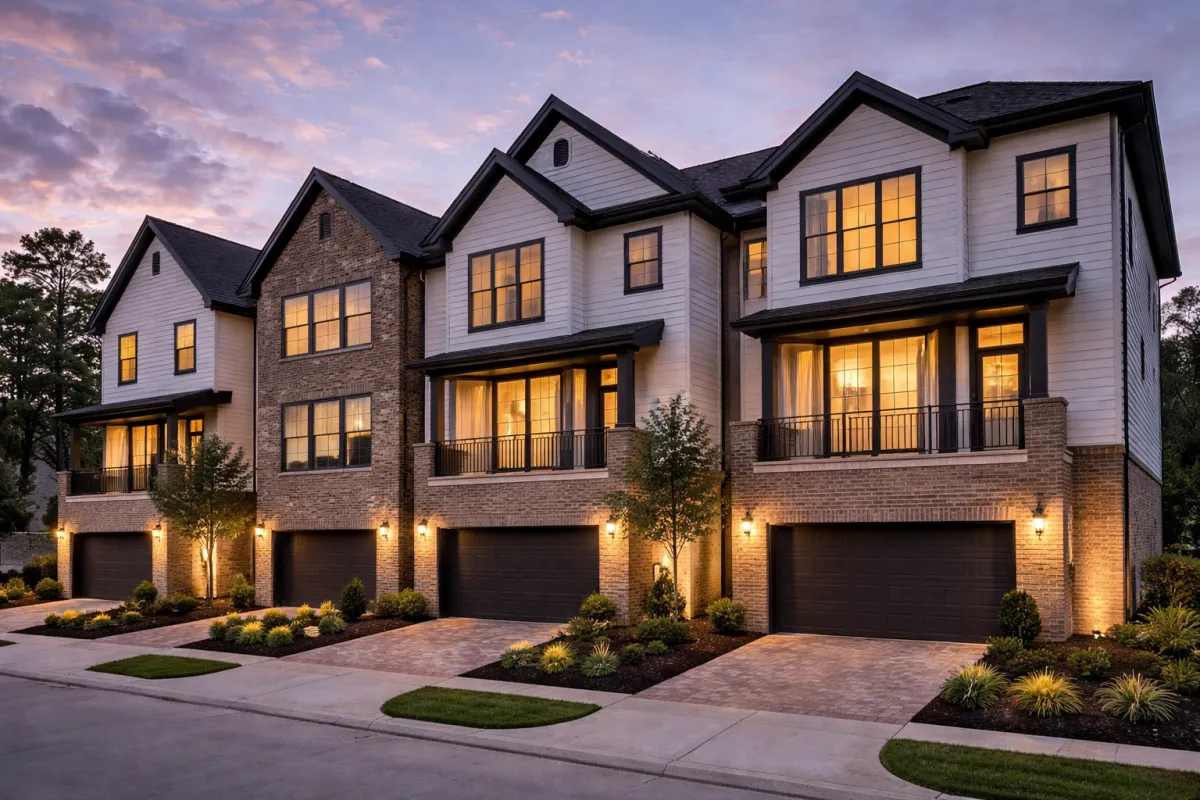
Grounded properties benefit from lateral movement that respects human gait. We keep eyeline close to five feet, which simulates a walkthrough. Rather than abrupt pans, we change axis during a natural doorway pass. In tight townhomes, stairs can be a trap. Our operators climb backward with spotters, resting just long enough on landings to avoid a breathless feel. Small tricks, like cutting to inserts between floors, disguise necessary camera resets.
Garages, laundry rooms, and mechanicals deserve more respect than they get. When we show them, buyers feel we are not hiding anything. We might give the garage a quick 3 second sweep, well lit and clean, then return to living spaces. It is enough to remove doubt. Luminis Media real estate photos will also include these secondary spaces, and the harmony between stills and video keeps expectations aligned at showings.
Editing that gives space to think
Editing choices make or break a walkthrough. We keep cuts motivated by motion, such as crossing a threshold or completing a pan to a view. We avoid whip pans that jar the eye. Our average shot length lands between 3 and 7 seconds for mid-market homes, and slightly longer for luxury listings. For high-end projects where Luminis Media luxury real estate photography accompanies a longer film, we might real estate videography include lingering lifestyle inserts, an espresso pour, a fireplace start, a terrace door opening to a skyline, which build a tactile narrative without bloating runtime.
Color grades remain consistent across rooms, and we handle windows with blend techniques that keep exterior detail visible without turning scenes into HDR caricatures. We also stabilize any residual micro-shake in post carefully, avoiding the liquid look that cheap stabilization causes. Hand-offs between wide shots and details are treated like sentences. A detail is a comma, a reveal of the primary living volume is a period, and the closing aerial is an ellipsis that leads the viewer to book a showing.
Voiceover, agents on camera, and buyer attention
Not every property benefits from voiceover. When it does, keep it tight. Thirty to forty five seconds layered over the first half of the film can highlight unique features while the viewer is most attentive. If an agent appears on camera, we encourage natural presence rather than a memorized pitch. A warm greeting at the door and a closing line on the terrace can humanize the brand without dominating the walkthrough. For seasoned presenters, we sometimes record a separate vertical video, optimized for social, to accompany the primary horizontal master.
Captions matter. Many viewers watch with sound off. Clean, concise lines that label spaces or call out marquee features help non-audio viewers feel informed. We keep typography consistent with the agent’s brand whenever possible. Our luminis.media real estate videography team maintains templates for this purpose, so every new listing slots into a coherent visual identity.
Compliance, drones, and neighborhood sensitivities
Drones come with rules. We fly only where permitted and only with licensed pilots. Authorization for controlled airspace can take time, so we flag it early. We avoid flights over neighboring yards unless the homeowners grant written consent. Sometimes the answer is a mast or a second-floor window shot that simulates height without violating privacy. For waterfront properties, tide charts and wind forecasts dictate day and time. The safest shot is the one we do not risk when conditions shift. Neighbors remember how a shoot felt. If we keep it respectful, agents get smoother approvals on future listings.
Deliverables that meet every platform’s appetite
A single master file is not enough anymore. MLS platforms compress aggressively, social channels prefer vertical framing, and broker websites call for clean, fast-loading embeds. Our standard package from Luminis Media real estate videography is designed for distribution efficiency:
- A 60 to 120 second master in 16:9, graded and mixed, with and without captions.
- A 30 second vertical cut in 9:16, with safe zones for platform overlays and reels.
- Five to eight micro-clips, each 5 to 8 seconds, for teasers and stories.
- A silent loop, 15 to 20 seconds, for hero banners on listing pages.
- Thumbnails and still keyframes that match the look of Luminis Media real estate photos.
If you already retain us for Luminis Media listing photography, we align color profiles so that the gallery, short clips, and master video look like they belong to the same campaign. For luxury real estate photography by luminis.media, we add longer featurettes and amenity spotlights, but only when the story justifies the time.
Pricing, scheduling, and return on effort
Budgets vary with property size, complexity, and the number of finalized cuts. A modest condo might take three hours on site and one day in post. A large estate with amenities and twilight components could span two shoot windows and multiple edit rounds. We price transparently, and we outline delivery timelines so agents can set realistic launch dates. If a listing launch is tied to a coming-soon window, we adjust the edit to release a teaser within 24 to 48 hours, then drop the master when the listing goes live.
As for ROI, strong films do not just drive more clicks, they help filter the wrong ones. A walkthrough that communicates scale, light, and layout helps buyers self-select. Agents report fewer casual showings and a higher share of qualified tours. We have seen homes receive offers sight-unseen, contingent on an in-person visit, because the walkthrough answered core layout questions cleanly. Anecdotally, a recent new-build craftsman we filmed in a competitive suburb logged a 68 percent increase in average watch time compared to the agent’s previous listing, and three private showings booked within the first 24 hours. It went under contract in five days. The stills mattered, yes, and our Luminis Media property photography delivered, but the video did the heavy lifting in conveying flow.
Common pitfalls and how we avoid them
One frequent mistake is overuse of extreme wide angles. They make rooms look grand on screen and disappoint in person. We would rather stage and light a space honestly and let pacing do the rest. Another pitfall is overcutting. It is tempting to cram all features into a 60 second piece, but cognitive overload dilutes the message. We choose a few anchors and let them breathe.
Voiceovers that oversell backfire. Buyers are allergic to superlatives that exceed the visuals. We favor measured language and let the camera prove the claim. Lastly, ignoring neighborhoods is shortsighted. Even mid-market homes benefit from a few seconds of context, a park, a trail, a cafe. People buy into a daily pattern as much as a floor plan.
Working alongside builders, stagers, and designers
New construction and recently renovated homes benefit from layered storytelling. Builders want credit for craftsmanship, stagers want rooms to shine, and designers want their palette reading true. We schedule shoots near the end of punch lists, not at the chaotic peak. If a space truly needs more time, we split the shoot, capturing exteriors and main spaces first, then returning for completed rooms. Communication is everything. On a recent luxury remodel where our Luminis Media luxury real estate photography team collaborated closely with the designer, we used a color reference chart at the start of each room set. The final grade matched the designer’s lookbook within a delta that would please any print studio, and the property’s online presence felt cohesive across platforms.
Data, not guesswork: measuring performance
We recommend tracking four simple metrics on every listing film. Average watch time, click-through rate from social teasers to the full listing, percentage viewed with audio on, and geography of views. If your master gets watched to 80 percent on mobile but only 40 percent on desktop, your desktop hero embed may be too far below the fold. If most views are out-of-market, a quick paid segment targeting local movers might bridge the gap. Our team shares templated dashboards that make this easy to review alongside showing data.
The practical realities of weather and season
Weather adds character, but it also tests patience. Overcast light can flatter interiors, while sun flare can make exteriors sing. We track both, and when a property needs two moods, we schedule accordingly. Snow calls for faster shutters and careful white balance, summer heat demands earlier starts. We protect crews and floors alike with shoe covers and layout pads. The small rituals matter. When a seller sees the care, they open doors for future clients, which helps agents grow.
Why alignment across media matters
A strong campaign feels like one voice. When Luminis Media real estate photography and Luminis Media real estate videography originate from the same creative intent, everything from the hero image to the first five seconds of the film stacks in your favor. Thumbnails match tones, captions echo the film’s phrases, and the buyer’s mental model of the home remains stable. That stability reduces friction. If a kitchen looks warm and inviting in photos but sterile in the video, doubt creeps in. We remove that doubt with shared pre-production, calibrated color, and a disciplined approach to composition.
Two brief case snapshots
A Lakeview townhouse with a narrow footprint had stalled on the market. The previous video whipped through rooms with an ultra-wide lens. We rebuilt the walkthrough with a normal field of view, slowed transitions, and mirrored the route buyers would actually take during a showing. We included a 12 second interlude of the nearby playground and the morning coffee line around the corner. Average watch time increased by 54 percent, and the next open house drew families who already understood the layout.
A hillside modern with a complex approach needed orientation. We led with a drone clip that traced the driveway from street to gate, then cut to a stabilized exterior move that paralleled the facade. Inside, we used minimal lighting to preserve the deep eaves and changing natural light. The finish celebrated architecture over gimmicks. The agent paired the piece with real estate photos by Luminis Media that emphasized materials. The home went pending after a weekend of limited, highly qualified tours.
How to get the most from your next walkthrough
If you are planning a shoot, build time for thoughtful prep. Walk the route yourself, notice where your head turns, and share that with us. Flag any features that are easy to miss on site. Tell us which buyers you hope to attract, commuters, remote workers, downsizers, or growing families. We will tailor the camera’s path and the film’s rhythm accordingly.
Luminis Media brings a calm, practiced approach. Whether you search for Luminis Media real estate photographer, property photography luminis.media, or simply reach our team directly, you get a unified crew that treats your listing as a brand moment. Our real estate photographer at luminis.media will ensure the stills and the walkthrough tell one true story, which is what buyers trust most.
Final thought
A cinematic walkthrough is a craft practice that sits at the intersection of design sense, technical control, and sales fluency. It rewards patience, honest lighting, and movement that keeps the viewer oriented while surprising them just enough to stay curious. When done well, it becomes the axis of a listing campaign. Everything else clicks into place around it.
If you need a partner to plan, shoot, and deliver films that convert interest into action, our team at Luminis Media is ready to help. From listing photography to luminis.media real estate videography and luxury real estate photography, we have built our process to serve agents, builders, and sellers who value clarity over noise and story over spectacle.